October 6, 2026
How Long Do Dental Crowns Southgate CA Last?
By @andersonjrht883
If you have been told you need a crown, or you already have one and want to know what kind of lifespan to expect, the short answer is this: most dental crowns last somewhere between 10 and 15 years, and many go well beyond that. Some fail earlier. Some stay in service for 20 years or longer. The difference usually comes down to a mix of material, bite forces, oral hygiene, how the tooth was shaped underneath, and whether the crown was placed in a relatively calm part of the mouth or on a tooth that takes a daily beating.
That broad range can feel frustrating when you want certainty. Patients often ask a version of the same question: “How long should this crown last if I take care of it?” The honest answer is that crowns are durable, but they are not permanent in the sense that they never need attention again. They are restorations under constant stress. Every cup of coffee, every crunchy tortilla chip, every night of clenching, every lapse in flossing, those small moments add up over time.
For people searching for Dental Crowns Southgate CA, it helps to understand not just the average lifespan, but what actually shortens or extends it in real life. That practical detail is what tells you whether a crown is likely to be a routine long-term fix or something you may need to revisit sooner than expected.
What a crown is really doing
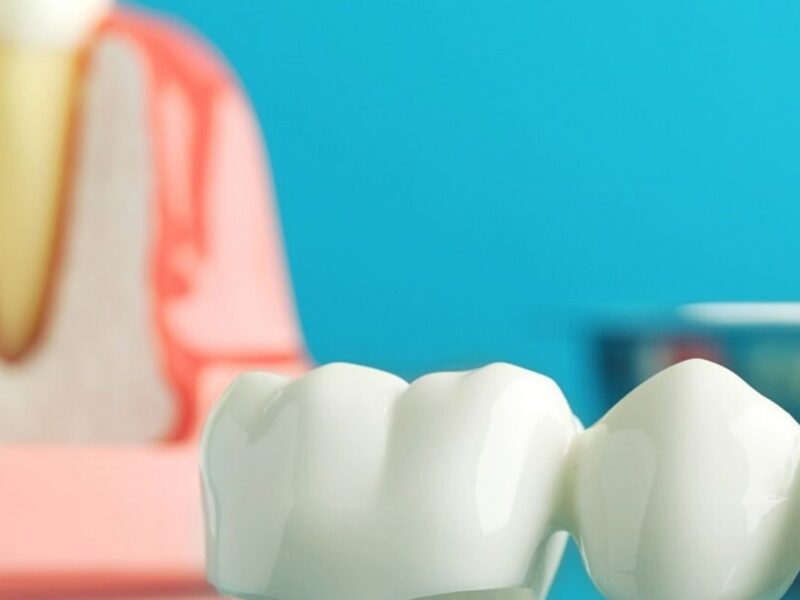
A dental crown is a custom-made cap that covers a damaged, weakened, heavily filled, or root canal treated tooth. Its job is not cosmetic alone, even though it often improves appearance. The real purpose is structural. A crown wraps and protects what remains of the tooth so you can chew comfortably and avoid further fracture.
That matters because a crowned tooth is usually not a pristine tooth. In many cases, it has already lost a lot of natural structure from decay, a large old filling, trauma, or endodontic treatment. The crown is strong, but the tooth beneath it remains the foundation. If that foundation changes, because of new decay at the margin, a crack below the gumline, or gum recession that exposes vulnerable root structure, the crown may need replacement even if the crown material itself still looks intact.
This is one of the biggest misconceptions people have. They assume the crown fails when the porcelain chips or the metal wears out. Sometimes that happens, but just as often the weak point is the edge where the crown meets the tooth. That seam has to stay clean and sealed year after year.
A realistic lifespan, not a sales pitch
Most well-made crowns placed under good conditions last at least a decade. In private practice, it is not unusual to see crowns still functioning after 15 to 20 years. It is also not unusual to replace one after six or seven years because the circumstances around the tooth changed.
A more useful way to think about longevity is this:
- Around 5 years is on the shorter side, often tied to heavy grinding, recurrent decay, or a tooth with a difficult prognosis from the start.
- Around 10 to 15 years is a very common range for a crown that was properly placed and reasonably maintained.
- Beyond 15 years is common enough to be realistic, especially with excellent hygiene and a stable bite.
- Beyond 20 years happens, but it should be seen as a bonus, not a guarantee.
- A crown can need replacement even sooner if the underlying tooth fractures or develops decay at the margin.
That range may sound wide, but dentistry is not one-size-fits-all. A crown on a back molar in a patient who clenches at night has a very different life than a crown on a front tooth in a patient with low bite force and careful home care.
Material makes a difference, but it is not the whole story
Patients often want to compare materials as if one automatically lasts the longest. Material does matter, but not in isolation. The best crown for one tooth can be the wrong crown for another.
Porcelain fused to metal crowns have a long track record. They can be very durable, especially in back teeth, though over time they may show a dark line near the gum if recession occurs. Full gold crowns, while less common for cosmetic reasons, have historically performed extremely well, particularly on molars. They tend to wear kindly against opposing teeth and tolerate chewing forces well.
All-ceramic and zirconia crowns are now widely used because they combine strength with a more natural appearance. Zirconia in particular has become a popular option for posterior teeth because of its toughness. Well-made all-ceramic crowns on front teeth can look excellent and last many years, but they still depend heavily on bite design and placement quality.
A patient might hear that zirconia is “the strongest” and assume that means the crown will definitely last longest. Not necessarily. If the tooth underneath has little healthy structure left, or if the margin is hard to keep clean, or if the patient has severe bruxism and no night guard, even a strong crown can run into trouble early.
Material affects wear resistance, fracture risk, and appearance. Longevity also depends on fit, cementation, bite balance, and biology. A beautifully made crown on a compromised tooth is still a compromised case.
The location of the crown changes the forecast
Where the crown sits in the mouth matters more than many people realize. Back molars take the highest chewing load. They crush food, absorb strong vertical pressure, and in people who clench or grind, they often absorb side-to-side stress as well. Crowns in those areas generally have to work harder.
Front teeth face a different set of risks. They may not bear the same crushing force as molars, but they are vulnerable to habits like nail biting, chewing ice, opening packages with teeth, or biting directly into hard foods. Front crowns also tend to be judged more harshly cosmetically. Sometimes a crown is replaced not because it failed structurally, but because the gumline changed or the shade no longer blends as well.
Premolars sit in between. They carry less force than molars, but they still experience significant load, especially when people chew on one side or have an uneven bite.
This is why there is no universal promise. A well-placed front crown in a low-risk mouth may outlast a molar crown that lives under constant grinding pressure.
The hidden factors that shorten crown life
When a crown fails earlier than expected, the cause is often predictable in hindsight. It is rarely random. Usually, one or more risk factors were present from the beginning or developed later.
Decay at the crown margin is one of the most common reasons for replacement. The crown itself cannot decay, but the tooth at the edge can. Plaque tends to collect where tooth and restoration meet. If brushing and flossing are inconsistent, a small cavity can form silently until it becomes large enough to undermine the crown.
Grinding and clenching, especially at night, can also be brutal on crowns. Patients are often surprised to hear this because they assume only natural teeth crack. Crowns can chip, loosen, or transmit stress into the root or remaining tooth structure underneath. In severe grinders, a custom night guard is not an accessory. It is part of protecting the investment.
Cement failure can happen too. A crown that loosens or comes off is not always ruined, but it should be evaluated quickly. Sometimes it can be recemented if the fit is still good and the tooth is sound. Sometimes the loss of retention signals underlying decay, a fractured core, or insufficient remaining tooth structure.
Gum recession deserves more attention than it gets. As gums recede, they can expose crown margins or root surfaces that are more vulnerable to decay and sensitivity. A crown can look acceptable from the front while trouble is starting just below the visible line.
Then there is the simple reality of wear. Bites shift over time. Fillings on neighboring teeth change. Opposing teeth wear down. A crown that fit beautifully ten years ago may now take pressure in a less favorable way.
What helps a crown last longer
The good news is that patients influence crown longevity far more than they sometimes think. The dentist controls planning, design, and placement. After that, day-to-day habits take over.
Here are the most effective ways to stretch the life of a crown:
- Brush thoroughly along the gumline twice a day with a soft-bristled brush.
- Clean between the crowned tooth and its neighbors every day, with floss or another interdental aid that actually works for you.
- Wear a night guard if you grind or clench, especially if your dentist has already seen signs of wear.
- Avoid using teeth as tools, and be careful with ice, hard candy, popcorn kernels, and similar hazards.
- Keep regular exams and cleanings so small margin problems are caught before they turn into larger failures.
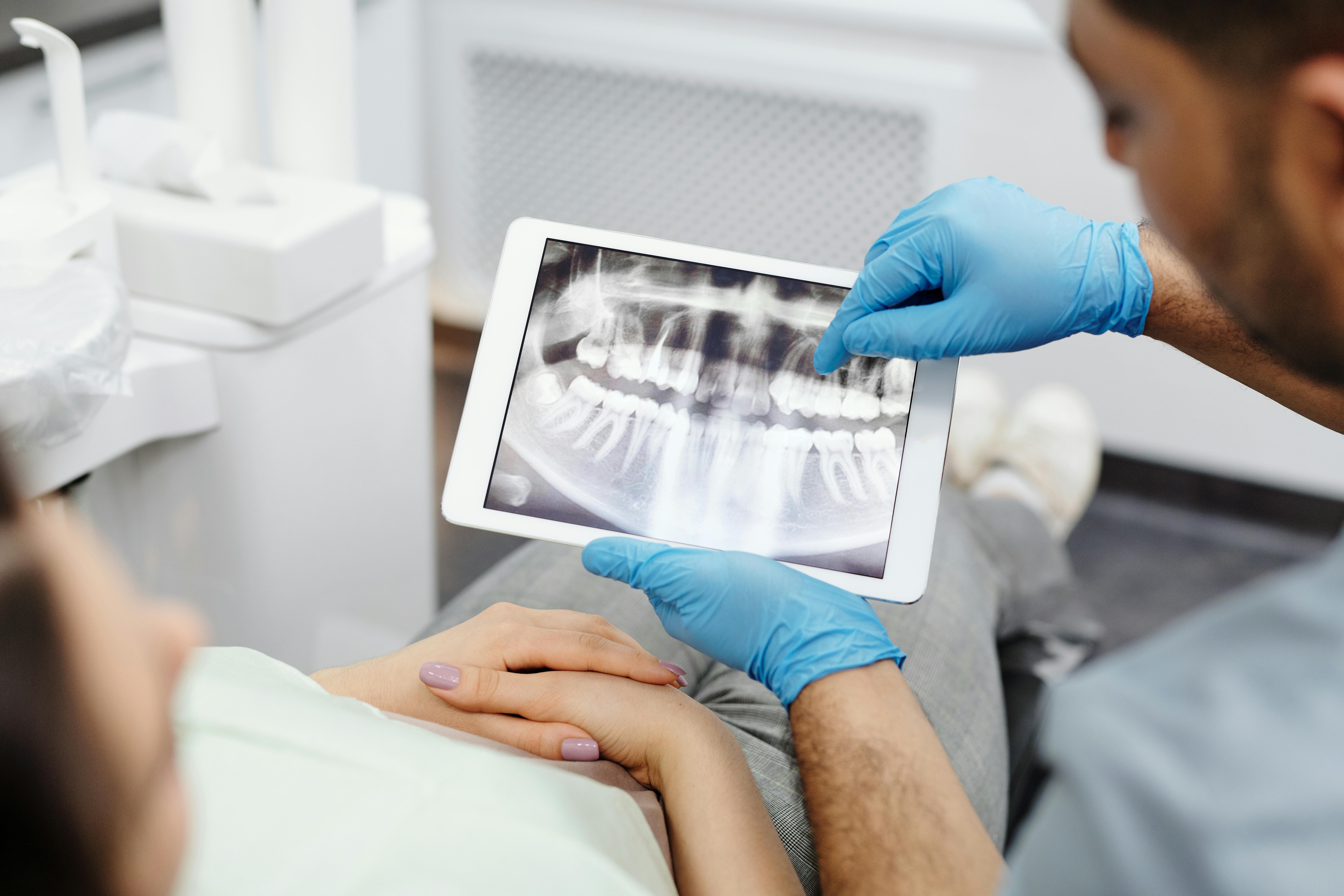
This is where routine care pays off in a very concrete way. A tiny area of recurrent decay found on an X-ray can sometimes be managed early. Left alone for a year or two, it may mean a complete redo, a buildup, or in worse cases, root canal treatment or extraction.
The role of the dentist matters more than patients realize
People often compare crown prices as if they are buying a standard retail product. But crown success depends heavily on clinical judgment and execution. Two crowns can look similar on the day they are cemented and have very different long-term outcomes.
To last, a crown needs enough room for the chosen material, margins that are smooth and accessible for cleaning, proper contact with neighboring teeth, and a bite that does not overload one area. If the tooth had a crack, the direction and depth of that crack matter. If the tooth had a root canal, the amount of remaining tooth structure matters. If decay extended below the gumline, the ability to isolate and restore that area properly matters.
Even the best lab work cannot rescue a poor foundation. Likewise, a good dentist may advise against crowning a tooth with a weak prognosis if the result is likely to be short-lived. That conversation can be disappointing, but it is usually a sign of honesty rather than pessimism.
Patients looking into Dental Crowns Southgate CA should not focus only on how the crown will look next week. Ask about the condition of the tooth underneath, the bite, whether a post or core is needed, whether there are signs of grinding, and what specific risks apply in your Dental Crowns Southgate CA simpledentalca.com case. Longevity starts with planning.
How root canal treatment affects crown lifespan
Many crowns are placed on teeth that have had root canal treatment. These teeth often need crowns because they are already structurally weakened by decay, access preparation, or large missing sections of enamel and dentin. A crown is usually the right call, but the long-term prognosis depends on how much natural tooth remains.
A root canal treated tooth can function well for many years. At the same time, it tends to be more brittle and less forgiving under stress. If very little healthy tooth is left above the gumline, the risk of fracture rises. That does not mean the crown will fail immediately. It means the whole tooth-crown complex has less reserve.
In these cases, longevity often depends on ferrule, a term dentists use for the amount of solid tooth structure available for the crown to grip. If that sound tooth structure is minimal, the restoration may work for a while but remain more vulnerable. Patients do not need to master the vocabulary, but they should know that the health of the underlying tooth is often the deciding factor.
Signs a crown may need attention
A crown rarely sends a dramatic warning at first. More often, the early signs are easy to dismiss. Mild sensitivity at the gumline, food trapping between teeth, a faint movement when biting, or a rough chipped edge can all signal a problem worth checking.
Pain when chewing may indicate a crack, a high bite, or trouble in the root area. A bad taste or odor around one tooth can point to leakage or trapped bacteria. Swelling near a crowned tooth is always worth prompt evaluation. Sometimes patients say, “The crown looks fine, but the tooth feels off.” That instinct is often correct.
There is also a cosmetic version of failure. If the gum pulls back and exposes the edge, especially on a front tooth, the crown may no longer blend naturally. Structurally it may still be serviceable, but aesthetically the patient may choose replacement. That is not vanity. Front tooth appearance affects how people speak, smile, and feel in professional settings.
Can a crown be repaired, or does it always need replacement?
Not every problem means starting over. A crown that pops off can sometimes be recemented if the tooth and crown are both intact. Minor porcelain chips in low-stress areas can sometimes be polished or repaired, though the durability of a repair varies. A bite adjustment may relieve symptoms if the issue is simply that the crown is taking too much pressure.
But many crown problems do require replacement. Recurrent decay at the margin, a poor fit, a crack through the crown, or a fracture in the underlying tooth generally cannot be solved with a patch. If the tooth underneath is compromised, removing the crown allows proper diagnosis and treatment.
This is one reason regular follow-up matters. Small issues sometimes leave room for conservative intervention. Delayed treatment narrows the options.
Cost and lifespan are connected, but not always in the obvious way
Patients naturally want value. A crown is a meaningful investment, and it is fair to ask how long that investment should hold up. The important thing is not to reduce the decision to the cheapest initial fee or the most expensive material.
A lower upfront cost can become expensive if the crown has to be redone early, or if a poorly managed bite leads to a cracked tooth. On the other hand, the highest-end material is not automatically the best if it is not the right match for the tooth or the patient’s habits.
Value comes from alignment, a suitable material, a well-prepared tooth, an accurate fit, and follow-through at home. It also comes from timing. A crown placed before a large fracture develops often has a much better prognosis than a crown used to rescue a tooth that was already barely holding on.
Why some crowns last decades
When a crown is still functioning beautifully after 20 years, it usually is not luck alone. Those long-lasting cases tend to share a few qualities. The tooth had enough healthy structure to begin with. The margins were accessible and stayed clean. The bite was balanced. The patient kept appointments. Hard habits were limited or managed. If grinding was present, it was controlled with a guard.
I have seen crowns that were old enough to surprise even the patient, still intact, still comfortable, still doing their job quietly. In many of those cases, the patient was not doing anything fancy. They were simply consistent. Good brushing. Good flossing. Sensible eating habits. A willingness to come in when something felt slightly off rather than waiting for pain.
That is often the difference between a crown that ages gracefully and one that fails early. Dentistry rewards maintenance.
What to expect if you need a replacement
Replacing a crown is common and does not necessarily mean the first treatment was a mistake. Teeth and mouths change. Restorations age. A replacement crown may be needed because of decay, wear, fracture, shifting gums, or changes in appearance.
The process usually begins with removing the existing crown and evaluating the tooth underneath. Sometimes the tooth is in good shape and simply needs a new crown. Sometimes additional treatment is needed, such as a buildup, gum management, or root canal evaluation. In difficult cases, replacement may reveal that the tooth can no longer support another crown and another option, such as extraction and implant planning, has to be discussed.
That possibility is exactly why preserving as much healthy tooth structure as possible matters from the first crown onward. Every time a crown is replaced, there is usually a little less natural tooth left to work with.
The bottom line for Southgate patients
If you are considering Dental Crowns Southgate CA, a fair expectation is that a well-made Dental Crowns Southgate CA crown should serve you for many years, often 10 to 15 and sometimes much longer. But lifespan is not just a property of the crown itself. It is the result of the crown, the tooth, the bite, the material, and the habits surrounding it.
A crown is strongest when it is treated as part of ongoing care, not as a one-time fix you can forget about. Keep the margins clean. Protect it from grinding if needed. Pay attention to small changes. Ask honest questions before treatment, especially if the tooth has a large filling, a crack, or a history of root canal therapy.
When those details are handled well, crowns can be remarkably reliable. They restore chewing, protect vulnerable teeth, and often disappear into the background of daily life, which is exactly what good dentistry is supposed to do.
Simple Dental South Gate
Address: 8617 California Ave, South Gate, CA 90280
Phone number: +13236896118
FAQ About Dental Crowns Southgate CA
How much do crowns cost per tooth?
In the United States, a single dental crown typically costs between $800 and $2,500 per tooth without insurance. The ultimate out-of-pocket price depends heavily on the crown material, the location of the tooth, and whether you have dental insurance coverage.
What is the downside of crowns on teeth?
The primary downside of a dental crown is that the procedure permanently removes natural tooth enamel to shape the tooth for the cap.
Why do dentists push for crowns?
Dentists recommend crowns because a large filling cannot provide enough strength when a tooth loses a major portion of its structure or faces heavy chewing pressure.
❧