October 6, 2026
Dental Crowns Southgate CA: Tips for a Smooth Recovery
By @andersonjrht883
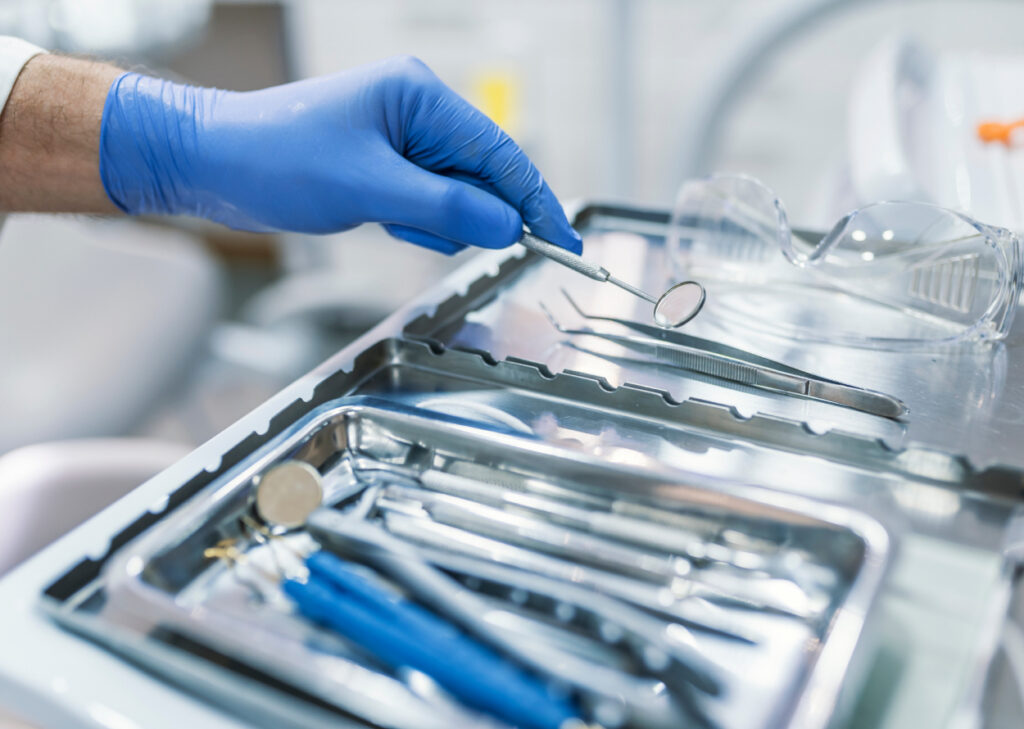
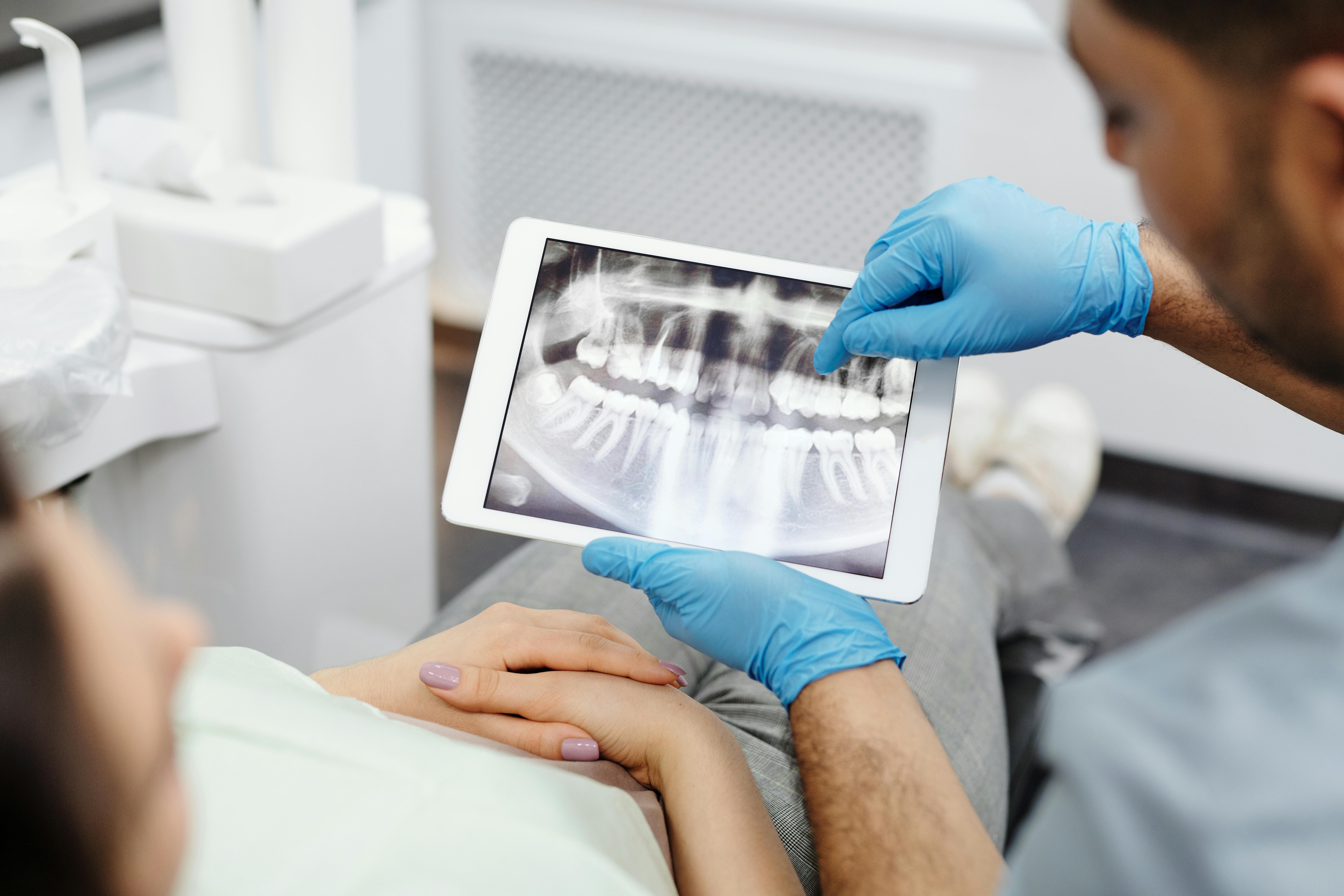
Getting a dental crown is usually less dramatic than people expect. Most patients walk in worried about pain, swelling, or not being able to eat normally for days, then leave surprised that the recovery is more about small adjustments than major downtime. That said, a smooth recovery does not happen by accident. It depends on how the tooth was treated, whether the crown was placed after a large cavity or root canal, how your bite settles, and how closely you follow a few practical habits during the first several days.
In practices that provide Dental Crowns Southgate CA residents rely on, the questions after treatment tend to sound very similar. “Why does my bite feel high?” “Is cold sensitivity normal?” “Can I drink coffee tonight?” “How careful do I need to be with the temporary crown?” Those are good questions, and the answers matter because the first week often determines whether the process feels easy or frustrating.
A crown is meant to restore strength, shape, and function to a damaged tooth. It can protect a tooth after a root canal, support a heavily filled molar that is at risk of cracking, or improve the appearance of a front tooth that has chipped or worn down. The recovery is usually straightforward, but the details matter. A patient who understands what is normal, what is avoidable, and what deserves a phone call is much less likely to run into trouble.
What recovery actually feels like
Most crown recovery is not about intense pain. It is more often a mix of tenderness, mild sensitivity, and awareness. The tooth has been worked on, the gum around it may be a little irritated, and your mouth is noticing a new shape. If anesthesia was used, you may feel completely normal for a few hours, then become aware of soreness once the numbness fades.
That soreness can come from a few places. The tooth itself may be mildly inflamed, especially if decay was deep or a large amount of old filling material had to be removed. The gum tissue can feel tender from the instruments used during preparation or from the impression process. If your jaw stayed open for a while, the muscles near the cheeks and temples may feel tight later in the day. None of that is unusual.
Patients often expect the crown to feel invisible right away. Sometimes it does. Often it takes a few days for the mouth to accept it as normal. A back tooth crown may feel slightly larger at first even when it is shaped correctly. A front tooth crown can feel prominent to the tongue because the tongue is remarkably sensitive to tiny surface differences. That heightened awareness usually fades.
If a temporary crown was placed before the final one, recovery comes in two phases. The temporary protects the tooth, but it is not as strong or as precise as the final restoration. You may need to baby it a bit. Once the permanent crown is cemented, the tooth often feels more stable, but there can still be a short adjustment period as the bite settles.
The first 24 hours set the tone
The first day after a crown appointment is where simple choices make the biggest difference. If you chew on the numb side of your mouth before feeling fully returns, you can bite your cheek or tongue without realizing it. If you go straight for sticky candy, hard chips, or ice, you put a fresh restoration under unnecessary stress. If you ignore a bite that feels obviously too high, the tooth can become increasingly sore from repeated heavy contact.
There is no need to treat yourself like glass, but there is value in being deliberate. Eat softer foods at first, especially if the tooth feels tender or if you have a temporary crown. Warm, not extremely hot, drinks are usually easier if the tooth is sensitive. If you tend to clench your teeth when stressed, be aware of it that evening. Freshly treated teeth often protest more when they are clenched against.
One patient I remember had a crown done on a lower molar after an old filling fractured. The procedure went well, and she felt fine leaving the office. That night she tested the tooth with almonds because she “wanted to see if it could handle it.” By the next morning, the tooth was sore to bite on, not because the crown had failed, but because the ligament around the tooth had been irritated. A few days of softer chewing solved it, but it was a useful reminder that recovery goes more smoothly when you do not challenge the tooth immediately.
Eating without setting yourself back
Food choices after crown treatment matter more than many people realize. The crown itself may be strong, but the tooth underneath and the cement that holds everything together still benefit from a calm start. This is especially true with temporary crowns, which can loosen if you pull on them with sticky foods.
During the first day or two, favor foods that require less force and less tearing. Eggs, yogurt, soup that is warm rather than piping hot, pasta, rice, fish, oatmeal, cooked vegetables, smoothies eaten carefully with a spoon, and softer proteins all tend to work well. You do not need a special “crown diet,” just good judgment. Try to chew on the other side if the crowned tooth feels sensitive.
Very hard foods deserve caution even after the initial recovery. Crowns are durable, but they are not indestructible. Chewing ice, cracking nuts with your teeth, or biting down on an unpopped popcorn kernel can chip porcelain or stress the tooth underneath. In offices handling Dental Crowns Southgate CA patients often visit after years of wear and old restorations, those everyday habits are a common reason a restoration needs repair sooner than expected.
If your crown is on a front tooth, biting into firm foods like baguettes, whole apples, or tough sandwiches can feel awkward for a few days. Cutting food into smaller pieces helps more than most people expect. It removes the instinct to test the new tooth and lets you return to normal eating more comfortably.
What to do if you have a temporary crown
Temporary crowns do an important job, but they are not built for long-term service. They are more like a protective shell that gets you through the gap between preparation and final placement. Because of that, they come with a short list of common-sense restrictions.
- Avoid sticky foods like caramel, taffy, and chewing gum.
- Chew on the opposite side when possible.
- Floss carefully by sliding the floss out rather than snapping it straight up.
- Brush normally, but use a lighter hand around the temporary if the gum feels sore.
- Call the office if the temporary comes off, cracks, or feels loose.
A loose temporary does not always mean an emergency, but it should not be ignored. Without that protection, the prepared tooth can become quite sensitive, and the tooth can even shift slightly, which may complicate the fit of the final crown. If it comes off, keep it if you can and contact the office. In many cases it can be recemented.
Patients are often surprised by how different a temporary can feel from the final crown. Temporaries may feel rougher, bulkier, or less polished. That does not mean the permanent crown will feel the same. The final restoration is usually smoother, stronger, and shaped more precisely.
Sensitivity, soreness, and what counts as normal
A little temperature sensitivity after a crown is common. The nerve inside the tooth may be reacting to the recent work, especially if the tooth had a Dental Crowns Southgate CA deep cavity or an old large filling. Cold tends to trigger this more than heat. Mild sensitivity that gradually improves over several days to a couple of weeks is generally within the expected range.
Biting tenderness is also common, especially if the tooth was already irritated before treatment. The ligament around the root acts a bit like a shock absorber, and it can become inflamed after dental work. Patients often describe this as a “bruised” feeling when chewing.
The gum around the tooth may look slightly red or puffy for a short time. That can happen from retraction cords, impression materials, or simply the mechanical work of preparing the tooth. Good brushing and gentle flossing usually help the area settle down faster, not slower.
What is not normal is pain that intensifies steadily, a bite that feels obviously off, swelling that develops after the first day, or a crown that feels mobile. Sharp pain when you bite one specific spot can also suggest a bite issue. Fortunately, bite Dental Crowns Southgate CA adjustments are often quick and make a huge difference. A crown that is even slightly too high can keep the tooth under constant excess pressure. Patients sometimes tolerate that longer than they should, thinking it just needs time. Sometimes time helps, but a simple adjustment is often the better fix.
The bite issue people overlook most
If there is one recovery problem that deserves attention early, it is an uneven bite. You should not have to “learn to live with” a crown that hits first every time you close. Some people adapt by unconsciously shifting their jaw, which can lead to soreness not just in the tooth, but in the jaw joint and facial muscles.
The sign is usually clear once you know what to notice. The crowned tooth feels like it takes the impact before the others. Chewing on that side feels awkward. You may find yourself avoiding that area without meaning to. Sometimes the tooth becomes increasingly sensitive to pressure over the first few days.
This is one of those moments where waiting can make things worse. A minor adjustment appointment is usually brief, and it can transform the recovery experience. I have seen patients spend a week taking pain relievers for what turned out to be a contact point that needed less than a minute of correction.
Oral hygiene during recovery
People sometimes become too cautious after crown work and stop cleaning the area properly. That usually backfires. Plaque collects quickly around the gumline, and irritated gum tissue gets more inflamed when it is not cleaned. The right approach is gentle, not avoidant.
Brush as you normally would, but if the area feels tender, use a soft-bristled brush and smaller motions around the gumline. Flossing is still important. With a permanent crown, normal flossing should be fine unless your dentist gave specific instructions. With a temporary crown, the floss-out method is safer because it reduces the chance of dislodging the temporary.
If your mouth rinse contains alcohol and the area feels raw, a gentler rinse or a simple saltwater rinse may feel better for a day or two. Saltwater is not a miracle treatment, but it can be soothing to irritated gum tissue. Just keep it mild, not overly salty.
The crown itself cannot decay, but the tooth structure at the margin absolutely can. That is where routine hygiene matters long after the recovery period ends. Many failing crowns do not fail because the crown material wore out. They fail because decay formed where the crown meets the tooth, often in areas patients thought were “covered” and therefore protected.
Pain relief that makes sense
For most people, over-the-counter pain relief is enough if anything is needed at all. The exact option depends on your medical history and what your dentist or physician says is appropriate for you. The bigger point is that severe pain is not the standard after a routine crown, so if you find yourself needing escalating medication just to get through the day, that deserves a call.
Cold compresses can help if the outer jaw feels sore, particularly after a long appointment. Resting the jaw and avoiding unnecessary chewing on tough foods also helps. If the tooth had root canal treatment before the crown, your recovery may feel somewhat different, often with less temperature sensitivity from that tooth but still some tenderness in the surrounding tissues.
There is also a simple behavioral piece that matters more than patients think. Try not to keep checking the crown with your tongue or repeatedly biting down to “test” it. That constant attention increases awareness and can make mild symptoms feel bigger. Let the tooth settle.
When to call your dentist
A smooth recovery includes knowing when something is ordinary and when it needs professional attention. It is always better to ask early than to sit with uncertainty, especially because many post-crown issues are easy to correct when addressed promptly.
Call the office if you notice any of the following:
- Your bite feels uneven or the crown hits first when you close.
- The crown feels loose, wobbly, or comes off.
- Pain gets worse instead of better after the first couple of days.
- You develop noticeable swelling, fever, or signs of infection.
- You cannot floss between the crown and neighboring tooth, or food packs painfully every time you eat.
That last point is worth a closer look. Contact points matter. If they are too tight, floss may shred or refuse to pass. If they are too open, food traps constantly. Neither should be brushed off as trivial because both can lead to gum irritation and frustration with eating.
Recovery after front tooth crowns versus back tooth crowns
Not all crowns recover the same way. A front tooth crown often brings more cosmetic awareness. Patients pay close attention to shade, shape, and how the tooth catches the light. They may also notice speech changes for a short time, especially with certain sounds, if the contour on the tongue side differs from the natural tooth. That usually resolves as the tongue adapts, but if speech remains awkward, the contour may need refinement.
Back tooth crowns are more about function. You may not see them much, but you feel every chewing contact. Molars and premolars take the heavy load of grinding food, so a small bite discrepancy is often more noticeable there. These crowns also tend to follow large fillings or cracks, which means the tooth may already have a history of stress before the crown is even placed.
A patient with a front crown might call because the tooth “feels weird” when speaking. A patient with a molar crown usually calls because chewing feels off. Both concerns are valid, and both often have manageable solutions.
If you grind or clench, recovery needs extra care
Bruxism changes the crown recovery conversation. If you clench or grind, especially at night, the new crown may be exposed to heavy force before the tooth has fully calmed down. That can lead to lingering soreness, headaches, or tiny chips in some cases. It can also shorten the life of the crown over time.
This is where a night guard can be extremely helpful if your dentist recommends one. Some patients resist the idea because they see it as one more appliance, but for people who grind hard, it is often the difference between a restoration that lasts and one that repeatedly needs adjustment. Crowns do not remove the habit. They simply become part of the system absorbing the force.
Stress also shows up in the jaw. I have seen patients with a technically excellent crown struggle because they were in a period of intense work stress and clenching every night. Once the clenching was addressed, the “problem crown” stopped being a problem.
Long-term habits that protect your investment
A crown is a restoration, not a license to ignore the tooth. If you want it to last, the recovery period is the moment to establish better habits, not just get through the week and forget about it.
Routine cleanings matter because crowns collect plaque at the margins like natural teeth do. Daily flossing matters because the gum around a crown can become inflamed quickly if food and plaque are left in place. Avoiding hard-object chewing matters because even strong materials have limits. If you use your teeth to open packages or hold items while your hands are full, this is the time to stop.
For people searching for Dental Crowns Southgate CA services, longevity is often one of the first questions asked, and rightly so. No dentist can promise an exact lifespan because outcomes depend on bite forces, oral hygiene, diet, whether the tooth had previous structural damage, and whether gum health remains stable. But in practice, crowns tend to do best when patients treat them as part of a well-maintained mouth, not as isolated repairs.
A steady recovery usually looks quiet
The best crown recoveries are uneventful. The numbness wears off. The tooth feels a little odd, then less odd. Chewing becomes easier day by day. The gum calms down. Within a short time, the crown starts to feel like it has always been there.
That quiet recovery is not luck. It usually comes from a good fit, realistic expectations, sensible food choices, careful hygiene, and prompt attention if something seems off. If your crown was placed recently, do not overanalyze every sensation, but do pay attention to patterns. Gradual improvement is the goal. Worsening pressure, a high bite, persistent pain, or a loose restoration should not be left to sort itself out.
Most people do very well with crowns, and once the recovery phase passes, they often forget how much the tooth bothered them before treatment. A cracked cusp stops catching. A deep cavity stops flaring up. A worn tooth regains shape and support. That is what makes the short recovery period worth navigating carefully. When handled well, a crown does not just repair a tooth. It gives the whole side of the mouth a chance to function comfortably again.
Simple Dental South Gate
Address: 8617 California Ave, South Gate, CA 90280
Phone number: +13236896118
FAQ About Dental Crowns Southgate CA
How much do crowns cost per tooth?
In the United States, a single dental crown typically costs between $800 and $2,500 per tooth without insurance. The ultimate out-of-pocket price depends heavily on the crown material, the location of the tooth, and whether you have dental insurance coverage.
What is the downside of crowns on teeth?
The primary downside of a dental crown is that the procedure permanently removes natural tooth enamel to shape the tooth for the cap.
Why do dentists push for crowns?
Dentists recommend crowns because a large filling cannot provide enough strength when a tooth loses a major portion of its structure or faces heavy chewing pressure.
❧